Selecting the right material for a garage door installation in Long Beach, CA starts with measuring how much salt mist, afternoon sun, and alley traffic your home faces every day. Distance from the water matters more than the door style when predicting how panels and hardware will age. A waterfront home in Naples or Belmont Shore sits in damp, salt-laden air that tests exposed metal and neglected finishes year-round, while neighborhoods further inland see less salt but stronger afternoon heat. Because no garage door material is completely rust proof or maintenance free, matching steel, aluminum, wood, composite, or fiberglass to your microclimate, sun exposure, and upkeep routine is the surest way to get a durable door that fits the architecture of your house.
How Distance From the Water Shapes Material Choice in Long Beach
Microclimate and street layout determine which environmental stresses hit a garage door hardest across Long Beach. Along the peninsula, Belmont Shore, and Naples, onshore breezes carry salt spray that settles on panels, tracks, and fasteners. Morning fog condenses on cool surfaces and leaves a thin salt film as the sun comes out. Moving up into Bluff Park or Belmont Heights, salt air remains steady while narrow rear alleys add another hazard: tight turning clearances where cars and trash bins regularly bump the lower panels.
Further inland in Los Cerritos, California Heights, and Bixby Knolls, salt buildup drops off, yet temperature swings and direct sun become the primary aging factors. Doors facing south or west take hours of unobstructed afternoon sun that heats dark surfaces and tests coatings. Architectural style also shifts by neighborhood. Check that the door style respects the house, because a modern flush steel door can look out of place on a historic bungalow in Rose Park or Bluff Park. Before finalizing any material, measure headroom, sideroom, and backroom inside the garage, because a heavy wood or carriage-style door may need different tracks, springs, and hardware than a standard light panel.
Comparing the Five Main Garage Door Materials
Each of the five main panel materials responds differently to coastal moisture, physical impact, and sunlight. Comparing their strengths and upkeep demands side by side clarifies which option fits your property.
Coated Steel Panels for Strength and Dent Resistance
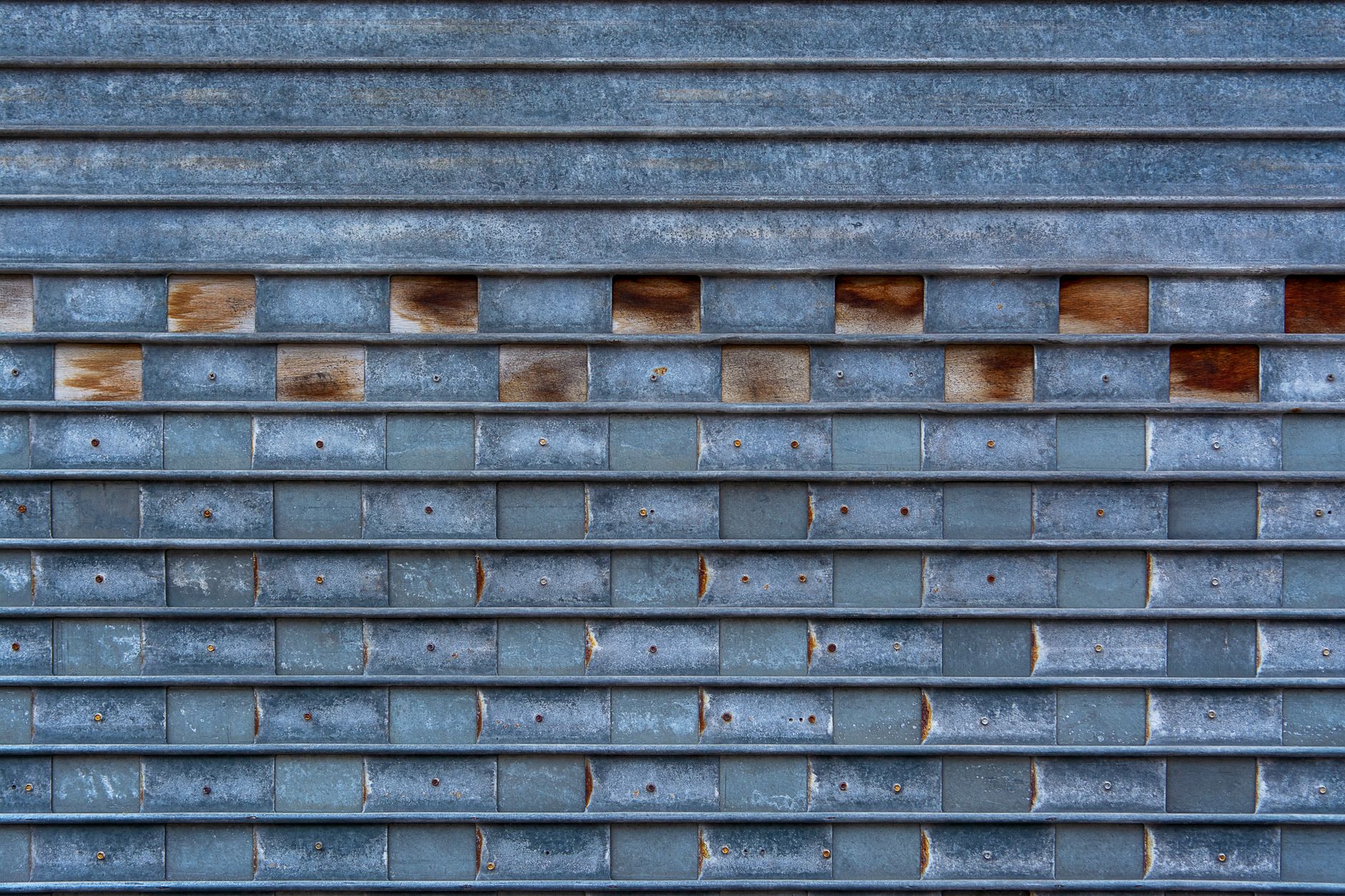
Steel doors are common and strong, making them a practical workhorse for busy residential garages. Thicker steel skins resist dents better than thin single-layer sheets, which helps in tight alley garages where cars and bins bump doors during daily parking and trash collection. However, steel requires intact surface protection near the ocean. Cut edges, scratches, and the bottom edge can rust if the protective coating is damaged or worn away by wet driveway grit.
When evaluating steel, ask about the factory coating system, including galvanized layers and baked-on primer and topcoats. After installation, inspect the panels periodically and touch up any scratch promptly with matching paint so bare steel never sits exposed to damp coastal air.
Aluminum Frames and Panels in Marine Air
Aluminum doors suit contemporary coastal architecture and mid-century homes where clean lines and glass panels fit the facade. Aluminum does not rust the way steel does, so it avoids the flaking red iron corrosion that plagues scratched steel near the beach. Even so, aluminum is never immune to coastal weathering. It dents more easily than heavy steel and can show white surface oxidation in salt air if the finish is neglected or abraded.
Choosing an anodized or quality powder-coated finish helps shield aluminum frames from chalky oxidation and pitting. Because aluminum weighs less than solid wood, it operates smoothly on standard hardware, though it performs best on driveways where bumps from bins or bumpers are less frequent.
Natural Wood for Historic Long Beach Architecture
Wood doors suit Craftsman and Spanish revival houses in neighborhoods like Bluff Park and Los Cerritos, where authentic grain, mortise joints, and recessed panels match original period woodwork. Wood works well near the coast when cared for properly, but it requires commitment. Natural wood can swell in damp mornings when marine fog rolls in and shrink in dry spells when inland winds blow, putting constant stress on joints and finishes.
To keep a wood door stable, homeowners must plan on regular sealing or painting. Before and during installation, make sure the finisher seals all six sides of every panel, including the top and bottom edges and any window cutouts, so dampness cannot wick into unsealed end grain.
Composite and Faux Wood Overlays
Composite and faux wood doors give a warm wood look with less upkeep than solid timber. Molded overlay boards bonded to a steel or insulated backing resist moisture absorption, splitting, and rot during damp coastal mornings while still looking appropriate on traditional bungalows and Mediterranean homes.
Direct solar exposure is the main detail to check before choosing composite. Ask how the specific composite material and bonding adhesives handle direct afternoon sun, especially on west-facing or south-facing garages that receive little shade from trees or neighboring homes.
Fiberglass Skins on Shaded and Sunlit Faces
Fiberglass skins resist salt corrosion and everyday dents, offering a low-corrosion option for garages close to the water. Molded fiberglass panels do not rust like bare steel and do not swell in morning fog the way unsealed wood does.
Sun exposure dictates where fiberglass succeeds long term. Fiberglass skins can fade and become brittle with long sun exposure on unshaded faces. It works best on shaded north or east elevations or under deep eaves, whereas unshaded south and west faces require careful UV protection or a different material.
Insulation, Color Selection, and Window Inserts
Internal panel construction and exterior color directly influence how a door handles daily use and coastal weather. Insulated doors with foam cores are quieter and stiffer even in a mild climate like Long Beach, which helps if the garage is used as a workshop or has a living room or bedroom above it. A foam-filled sandwich panel resists twisting and dampens street noise far better than a hollow pan door. Keep in mind that a heavier door is not always more secure; real security comes from stiff panels, solid locking geometry, and a properly adjusted opener rather than panel mass alone.
Exterior shade and glass cutouts also require planning. Darker colors absorb more heat from the afternoon sun and can make some materials move, bow, or age faster, so always follow the maker's color guidance for your chosen door material. If you include window inserts for natural light, remember that glass adds weight and introduces a seal joint in the upper panel. Check that the counterbalance spring is sized for the final door weight including glass, and inspect window seals so wind-driven rain and salt mist stay outside.
Coastal Hardware, Weather Sealing, and Care
Hardware matters as much as panels when building a door for coastal air. Standard uncoated tracks and rollers corrode quickly in marine humidity, so ask for galvanized or coated track, hinges, and fasteners near the coast. Specifically, stainless or coated fasteners reduce the unsightly rust streaks that start at hinge screws and stain the face of the door. Every new door also needs a pliable bottom seal and continuous perimeter weatherstrip along the jambs and header to keep blowing beach sand, dust, and leaves out of the garage. At the same time, consider whether the automatic opener should be replaced so that modern safety sensors and force settings match the weight and travel of the new door.
Routine cleaning protects both the finish and the coverage on the door. Plan a gentle rinse of the door face and interior hardware with fresh water a few times a year near the beach to remove accumulated salt film before it pits metal or dulls paint. Finally, ask for the maker's written care instructions at installation and keep them with your home records, since warranty terms often depend on documented maintenance.